

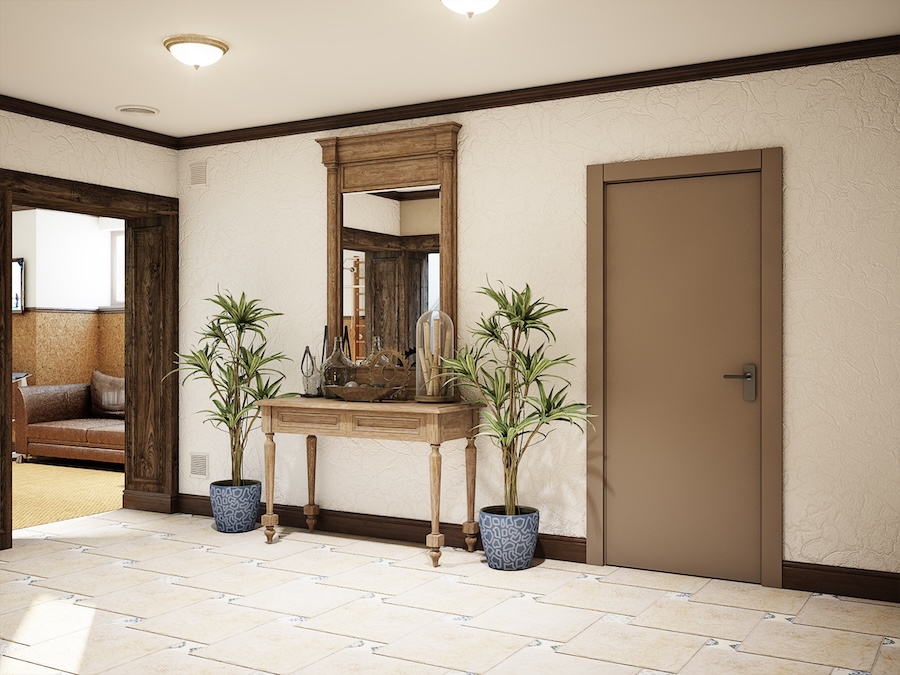
The Growing Role of Secondary Suites in Calgary’s Housing Landscape
Calgary’s housing market is evolving quickly, and with that evolution comes a shift in how people think about homeownership, affordability, and density. One of the most important—and often underestimated—pieces of this shift is the rise of secondary suites.
What was once considered a niche or informal housing solution has now moved into the mainstream. Secondary suites are no longer simply a “nice-to-have” feature for homeowners—they are becoming a practical, strategic, and in many cases essential part of how Calgarians are managing the realities of today’s housing market.
From basement suites to backyard dwellings, these units are playing an increasingly important role in how the city accommodates growth, supports affordability, and allows homeowners to adapt to changing financial conditions.
A Shift in Mindset
For many homeowners, the idea of developing a secondary suite used to come with hesitation. The process was often perceived as complex, uncertain, and burdened by regulatory hurdles.
That mindset is changing.
More homeowners are now approaching secondary suites as a logical extension of their property. Whether it’s a basement conversion or a detached backyard unit, the concept is straightforward: maximize the usability of existing space while creating an additional income stream or flexible living arrangement.
This shift is not just about economics—it reflects a broader change in how people view housing. Homes are no longer seen solely as single-family dwellings. They are increasingly being viewed as multi-functional assets capable of adapting to different needs over time.
From Grey Market to Regulated Opportunity
Historically, secondary suites existed in a somewhat ambiguous space. Many operated without proper approvals or compliance with safety standards. While they provided much-needed housing supply, they also carried risks—both for tenants and property owners.
Over time, the need for reform became clear.
Calgary has taken meaningful steps to address this by simplifying the approval process, improving access to information, and creating clearer pathways for homeowners to legalize existing suites or build new ones properly.
The result is a transition from an informal, inconsistent system to one that encourages transparency, safety, and compliance.
Today, homeowners are far more likely to engage with the process openly. Rather than avoiding regulations, many are choosing to work within them—recognizing that a properly permitted and registered suite carries long-term value and reduced risk.
The City’s Role in Enabling Growth
A significant part of this shift has been driven by policy changes and municipal support.
The City of Calgary has moved toward a more facilitative approach—focusing less on enforcement and more on education and assistance. Programs designed to offset costs, particularly those related to safety upgrades, have helped remove some of the financial barriers that previously discouraged homeowners.
This approach has had a measurable impact.
The number of registered secondary suites has grown substantially over the past decade, reflecting increased participation and acceptance. While unregistered units still exist, the trend is moving toward compliance as homeowners recognize the benefits of doing things properly.
The City’s role is not to build housing directly, but to create an environment where homeowners feel supported in doing so. That shift—from regulator to facilitator—has been critical in driving adoption.
Affordability and Practicality
At its core, the rise of secondary suites is tied to affordability.
For many homeowners, the ability to generate rental income can make the difference between maintaining ownership and being priced out of the market. Mortgage costs, property taxes, and general cost-of-living pressures have increased significantly, and secondary suites provide a practical way to offset those expenses.
From a tenant perspective, secondary suites often represent more attainable housing options. They can offer lower rental rates compared to purpose-built units while still providing independent living space.
This dual benefit—supporting both homeowners and renters—is one of the reasons secondary suites are becoming such a critical component of Calgary’s housing ecosystem.
Builders Adapting to Demand
The private market has responded accordingly.
Homebuilders are increasingly incorporating secondary suite options into their designs, particularly in new communities. What was once considered an upgrade or niche feature is now often included as part of standard planning.
Buyers are actively seeking homes that offer suite potential—either fully developed or roughed-in for future completion. The appeal is clear: built-in flexibility and the opportunity to generate income immediately or down the line.
This trend reflects a broader alignment between consumer demand and product offering. Builders are no longer reacting to secondary suites—they are anticipating them.
Backyard and Laneway Suites: Expanding the Conversation
Beyond basement suites, detached secondary dwellings—often referred to as laneway or backyard suites—are gaining traction.
These units offer a different kind of flexibility. They can serve as housing for extended family, provide rental income, or create independent living spaces within established neighborhoods.
One of the key advantages of these types of suites is that they add density without dramatically altering the character of a community. Instead of large-scale redevelopment, they allow for gradual, incremental growth.
This approach is particularly appealing in areas where preserving neighborhood feel is important. It provides a middle ground between maintaining low-density housing and introducing large multi-unit developments.
However, these projects often come with higher upfront costs compared to basement suites. Despite this, the long-term financial return and added property value can be substantial, making them an attractive option for certain homeowners.
Ongoing Challenges
While progress has been made, challenges remain.
Cost is still a significant barrier for many homeowners. Even with incentives, the expense of bringing a suite up to code—or building one from scratch—can be prohibitive.
There are also policy considerations that continue to evolve, particularly around parking requirements, zoning flexibility, and the treatment of different types of secondary dwellings.
Additionally, enforcement remains largely complaint-driven. This creates an environment where some non-compliant suites continue to operate, though the trend toward legalization suggests this gap may narrow over time.
A Key Piece of Calgary’s Housing Future
Calgary is not alone in facing housing pressures. Like many cities, it is balancing population growth, affordability challenges, and the need for sustainable development.
Secondary suites are uniquely positioned to address all three.
They increase housing supply without requiring large-scale infrastructure changes. They support affordability for both owners and tenants. And they allow neighborhoods to evolve gradually rather than through abrupt transformation.
Perhaps most importantly, they empower individual homeowners to be part of the solution.
Rather than relying solely on large developers or government initiatives, the growth of secondary suites represents a decentralized approach to housing—one that leverages existing properties and personal investment.
Looking Ahead
The trajectory is clear.
Secondary suites will continue to play a central role in Calgary’s housing landscape. As policies evolve and awareness grows, adoption is likely to increase further.
The conversation is no longer about whether secondary suites should exist—it is about how to optimize them.
That means refining regulations, improving accessibility, and ensuring that safety and quality standards are consistently met.
For homeowners, the opportunity is significant. For tenants, the impact is meaningful. And for the city as a whole, secondary suites represent a practical and scalable way to address housing demand.
Final Thought
Housing markets do not change overnight—but they do evolve through a series of small, practical decisions.
Secondary suites are one of those decisions.
They reflect a shift toward flexibility, efficiency, and realism in how we use space and manage cost.
And as Calgary continues to grow, they will remain not just part of the solution—but a defining feature of the city’s housing future.