

City of Calgary Closes 16th Avenue Exit Due to Water Main Deterioration: What It Means for Property Owners
The City of Calgary recently announced the closure of the westbound 16th Avenue N.W. exit ramp to Sarcee Trail after additional deterioration was detected in sections of the Bearspaw south feeder main. While this may appear to be a routine infrastructure update, the implications are broader — particularly for property owners, condominium boards, landlords, and investors across the northwest quadrant of the city.
As part of what the City describes as evolving “risk mitigation strategies,” traffic is being redirected to 29 Avenue N.W. The closure follows detection of further deterioration in two segments of the feeder main, each having experienced a single wire snap identified through fiber optic monitoring technology.
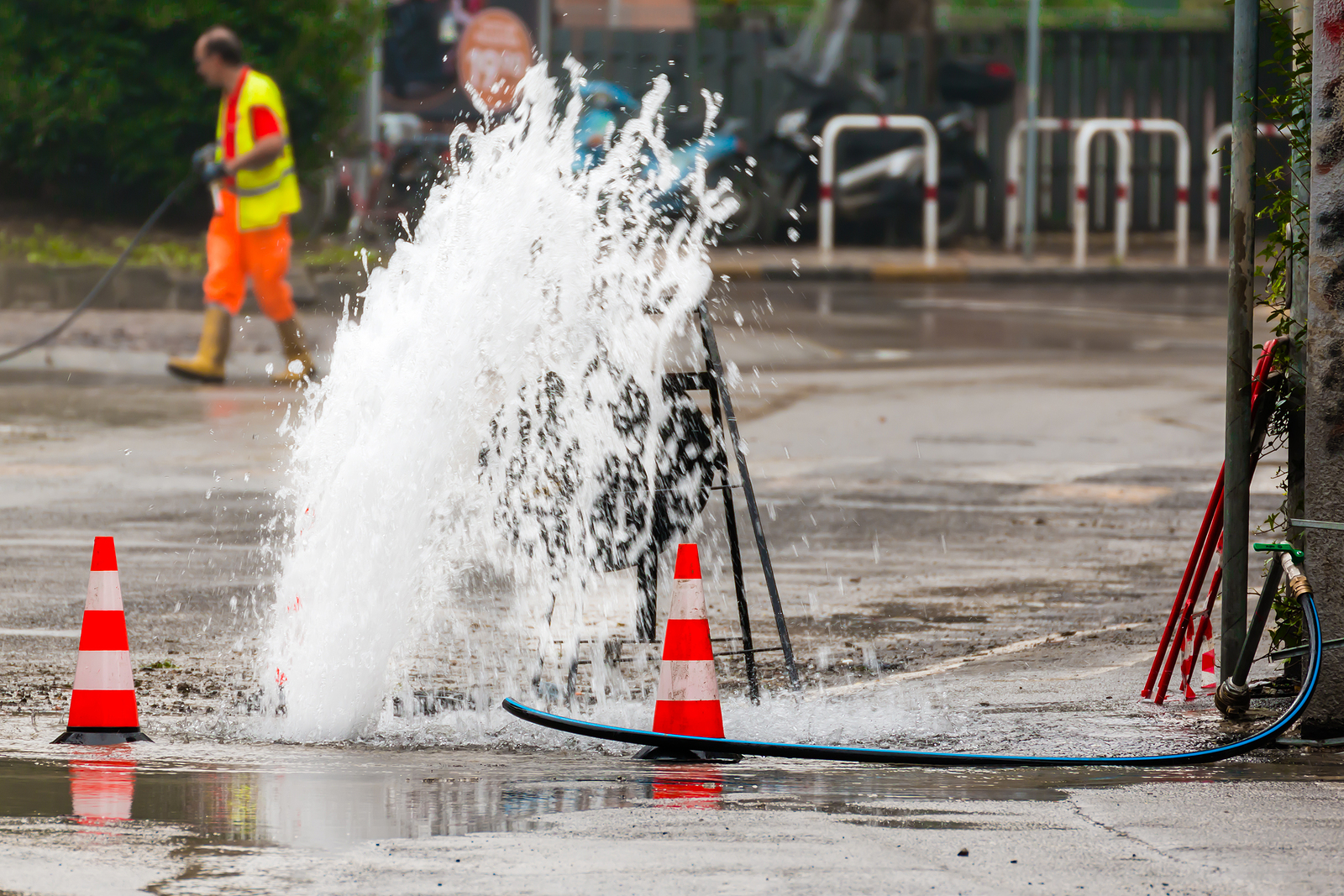
This is not an emergency rupture. It is a preventative measure.
And that distinction matters.
Understanding the Bearspaw South Feeder Main
Calgary’s water distribution system includes major feeder mains that transport treated water from treatment facilities into various zones of the city. The Bearspaw south feeder main is one of these critical arteries.
When deterioration is identified in a feeder main, the City must evaluate structural integrity and the potential for failure. In this case, fiber optic monitoring detected a wire snap in two pipe segments — an early warning signal that the internal structural reinforcement has weakened.
Rather than waiting for a rupture, the City has opted to reduce risk through traffic closures and ongoing monitoring.
From an infrastructure management perspective, this is proactive governance.
Why This Closure Is Important
Major water mains often run beneath high-traffic corridors. If a feeder main were to rupture, the consequences could include:
Significant roadway damage
Localized flooding
Service interruptions
Emergency construction closures
Insurance implications
By closing the westbound 16th Avenue exit ramp to Sarcee Trail, the City reduces load stress and positions itself to intervene more safely if further repairs become necessary.
This is preventative asset management — not crisis response.
Implications for Property Owners in Northwest Calgary
While the current action is traffic-related, infrastructure decisions like this directly affect property owners in several ways:
1. Access and Traffic Flow
Exit ramp closures change commuter patterns. Increased congestion around 29 Avenue N.W. and alternate routes may temporarily impact accessibility for residents in nearby communities.
For landlords and property managers, access routes matter. Tenants evaluate commute times and convenience when deciding where to live.
2. Perception of Infrastructure Stability
Public confidence in infrastructure influences real estate markets. When the City demonstrates proactive monitoring and intervention, it reinforces stability.
From an investment standpoint, visible preventative measures are preferable to reactive emergency repairs.
3. Insurance and Risk Considerations
Water main failures can result in substantial property damage. Condo boards and owners should periodically review:
Building insurance coverage
Sewer and water endorsements
Flood mitigation planning
Emergency communication protocols
Although the current situation does not involve a rupture, it is a reminder of how interconnected municipal infrastructure and private property risk truly are.
The Role of Fiber Optic Monitoring
One of the most noteworthy aspects of this announcement is the reference to fiber optic monitoring.
Calgary has invested in advanced infrastructure surveillance technology capable of detecting wire snaps within pre-stressed concrete cylinder pipe (PCCP). These pipes rely on internal steel wire wrapping for strength.
When a wire snap occurs, it is not an immediate failure — but it is a structural indicator.
Early detection allows the City to:
Monitor progression
Reduce external stressors
Plan controlled intervention
Avoid catastrophic breaks
This approach aligns with modern asset management principles: monitor, mitigate, maintain.
What This Means for Condominium Boards
For condominium corporations, infrastructure news like this should prompt broader governance reflection.
Boards should consider:
Do we have up-to-date reserve studies?
Are we proactive about building envelope and plumbing reviews?
Are our emergency procedures documented and tested?
Do we communicate clearly with residents during municipal disruptions?
Municipal infrastructure is outside a board’s control — but preparedness within the corporation is not.
Boards that operate with structured risk oversight are better positioned during citywide events.
A Reminder About Aging Infrastructure
Calgary, like many Canadian cities, is managing aging infrastructure built during periods of rapid expansion decades ago.
Water feeder mains, roadways, and underground systems eventually require reinforcement or replacement. Proactive closures may become more common as monitoring systems detect early-stage deterioration.
For property investors, this underscores the importance of evaluating:
Neighbourhood maturity
Proximity to major infrastructure corridors
Long-term municipal capital planning
Infrastructure stability directly impacts long-term property values.
Traffic Disruption and Rental Market Realities
Temporary road closures can also influence rental demand patterns.
Tenants working downtown or in the northwest industrial corridor may experience commute adjustments. In competitive rental markets, small convenience factors can influence unit selection.
Property managers should remain attentive to:
Tenant communication regarding access routes
Delivery access considerations
Showing schedules during road closures
Being proactive in communication maintains professionalism and reduces frustration.
Risk Mitigation vs. Reaction
One of the most encouraging elements of this announcement is the City’s language around “risk mitigation.”
Too often, infrastructure stories emerge only after catastrophic failure.
In this case, deterioration was detected early through monitoring technology. The City responded by adjusting traffic patterns before a rupture occurred.
This reflects structured governance — something property owners should demand not only from municipalities but from their own boards and management firms.
Lessons for Property Owners and Investors
The broader lesson is simple: asset protection requires vigilance.
Whether managing:
A single-family rental
A townhouse complex
A high-rise condominium
A multi-family investment portfolio
The principle remains the same:
Proactive monitoring prevents reactive expense.
Infrastructure may be municipal, but risk awareness is universal.
What Happens Next?
At this stage, the City continues monitoring the affected pipe segments. Traffic is being redirected as a precaution.
Further steps could include:
Additional inspections
Controlled repairs
Ongoing structural evaluation
The goal is stability without disruption.
For residents, patience during temporary closures supports long-term reliability.
Final Thoughts
The closure of the westbound 16th Avenue N.W. exit ramp to Sarcee Trail is not a crisis headline — it is a governance headline.
It represents a city identifying risk indicators and acting before failure occurs.
For property owners, condominium boards, and investors, the message is clear:
Infrastructure matters. Monitoring matters. Proactive intervention matters.
At Citysearch, we consistently advise our boards and owners to adopt the same philosophy within their communities — structured oversight, preventative planning, and disciplined communication.
Because predictable performance delivers predictable results.
If you have questions about how municipal infrastructure developments may affect your property, condominium corporation, or investment strategy, our team is always available to provide guidance.
Calgary continues to grow. With growth comes responsibility — both public and private — to manage assets wisely.
And that responsibility begins with awareness.