

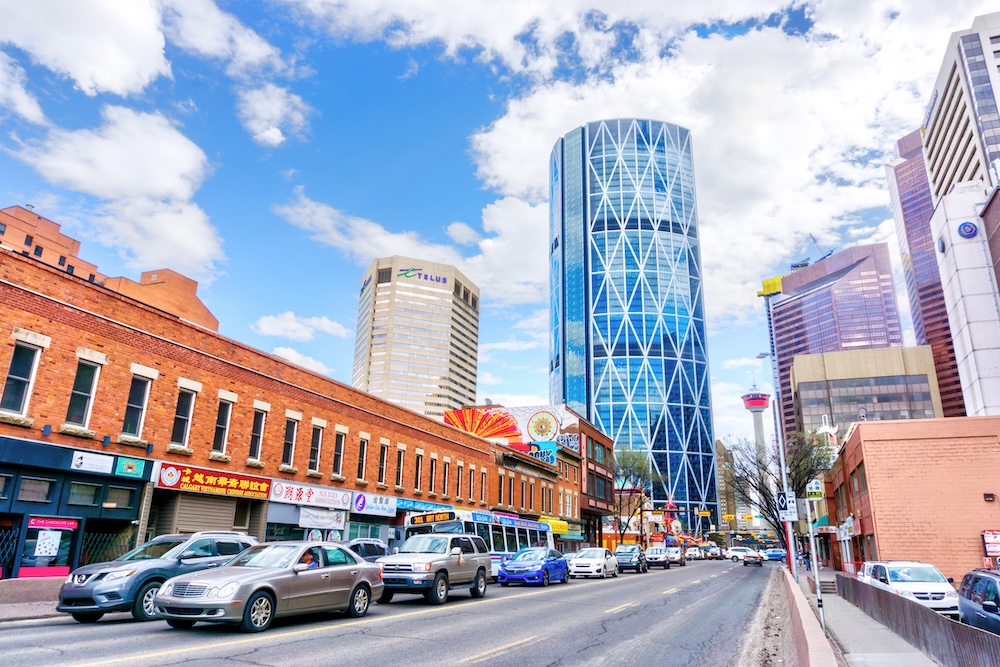
Calgary Advances Downtown Revitalization with 128 New Non-Market Homes
The City of Calgary has announced the creation of 128 new non-market homes through its newly launched Downtown Non-Market Office Conversion Grant program. The initiative focuses on transforming underutilized downtown office buildings into affordable housing, helping address Calgary’s housing challenges while revitalizing the city core.
A Strategic Investment in Housing and Downtown Renewal
The program is supported by $10.3 million in funding from the federal Housing Accelerator Fund (HAF). Through this investment, two non-profit housing providers will redevelop vacant office space into purpose-built, non-market housing for individuals and families.
This approach delivers a dual benefit:
Expands Calgary’s affordable housing supply
Activates underused commercial space in the downtown core
By converting existing buildings, the City is leveraging adaptive reuse as a practical solution to improve housing access while strengthening economic resilience in the urban centre.
Funded Projects
Two organizations have been awarded funding under the inaugural grant stream:
HomeSpace Society
Location: 1000 – 8 Avenue SW
Grant Contribution: $4.1 million
Total Project Budget: $27.5 million
Homes Created: 65
Unit Mix:
30 studio homes
35 one-bedroom homes
This project will deliver housing primarily suited to individuals and single occupants seeking stable, centrally located accommodation close to transit, employment and services.
Trellis Society for Community Impact
(in partnership with Bluevale Capital Group)
Location: 441 – 5 Avenue SW
Grant Contribution: $6.2 million
Total Project Budget: $27.8 million
Homes Created: 63
Unit Mix:
27 studio homes
18 one-bedroom homes
9 two-bedroom homes
9 three-bedroom homes
Notably, this development includes larger family-oriented units, including three-bedroom homes, helping ensure that families can live and remain connected in Calgary’s downtown.
Together, these two projects will convert nearly 100,000 square feet of vacant office space into residential housing.
Building Momentum Toward Housing Targets
Calgary has seen significant progress in non-market housing approvals. In 2025 alone, more than 1,800 non-market homes received development permit approvals — approximately five times the historical annual average.
The City has established a target of 3,000 non-market homes per year, and office-to-residential conversions are emerging as a key strategy in reaching that goal.
Alignment with Calgary’s Housing Strategy
The Downtown Non-Market Office Conversion Grant supports the broader objectives outlined in Calgary’s 2024–2030 housing strategy and the Greater Downtown Plan. Both frameworks emphasize:
Increasing overall housing supply
Expanding non-market housing options
Repurposing vacant commercial space
Bringing more residents and activity to the downtown core
By combining federal funding with local leadership and non-profit partnerships, Calgary is advancing a collaborative model designed to improve affordability while re-energizing the city centre.
Why Office Conversions Matter
Adaptive reuse projects like these offer several advantages:
Faster delivery timelines compared to new construction
Efficient use of existing infrastructure
Reduced environmental impact
Immediate activation of vacant buildings
As downtown vacancy rates remain elevated, converting offices to housing presents a practical opportunity to align economic revitalization with social need.
What This Means for Calgary
For individuals and families seeking stable, more affordable housing options close to transit, employment, and community services, these 128 new homes represent meaningful progress.
For downtown Calgary, it signals continued momentum toward a more vibrant, mixed-use urban core where residential, commercial, and community life intersect.
As Calgary continues to grow and evolve, initiatives like this demonstrate how coordinated policy, funding partnerships, and adaptive redevelopment can work together to address housing challenges in a sustainable and forward-thinking way.